Product Claims backed by Scientific Studies:
🧠 1. ENHANCE YOUR JAWLINE & FACIAL DEFINITION — TRAIN, SCULPT, CHISEL
Key Benefits:
-
Promotes a more defined, chiseled jawline through resistance-based chewing.
-
Strengthens and tones the underlying facial muscles that support the lower face.
Supporting Scientific References:
- Shirai et al., 2018 (Clinical and Experimental Dental Research): Demonstrated that gum-chewing exercise significantly increases maximum bite force and improves masticatory performance in human subjects.
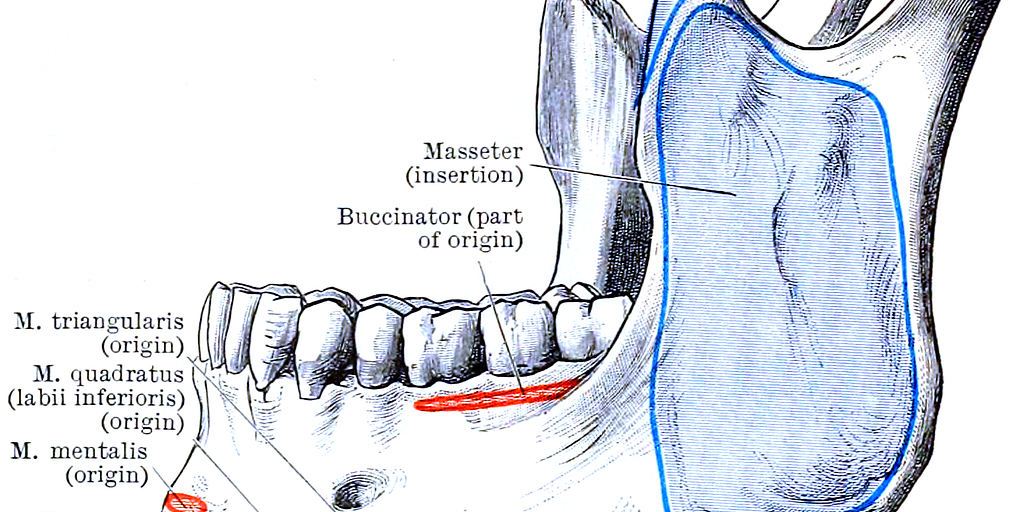
- Raadsheer et al., 1999 (Journal of Dental Research): MRI studies showed that the cross-sectional area of the masseter muscle strongly correlates with maximum bite force, confirming the functional importance of jaw muscle size.
- Inoue et al., 2019 (Scientific Reports): Found that mechanical loading from mastication activates osteocytes and stimulates bone remodeling mechanisms in the mandible.
- Kiliaridis et al., 1995 (Journal of Oral Rehabilitation): Demonstrated that increased chewing load improves jaw muscle strength and bite-force endurance.
- Karamani et al., 2022 (International Journal of Environmental Research and Public Health): Hard-diet chewing in animal models resulted in increased mandibular width and structural adaptation due to increased masticatory forces.
💪 2. POWERFUL JAW TRAINING — 15× HARDER THAN REGULAR GUM
Key Benefits:
-
Builds jaw strength, tone, and endurance with every chew.
-
Replicates the benefits of hard-food chewing for a more powerful, angular jawline.
-
Provides a targeted, low-effort workout you can do anytime, anywhere.
Supporting Scientific References:
-
Sakaue et al., 2024 (PubMed indexed study): Increasing chewing gum hardness significantly increased masseter muscle activity and metabolic workload during chewing.
-
Shirai et al., 2018 (Clinical and Experimental Dental Research): Repeated gum-chewing training increased bite force and masticatory muscle performance.
-
Kawai et al., 2010 (Journal of Anatomy): Increased masticatory loading alters muscle fiber composition in the masseter muscle, increasing fast-twitch fibers associated with strength.
-
Trawitzki et al., 2006 (Journal of Oral Rehabilitation): Harder chewing conditions produce greater electromyographic activity and muscular adaptation in masticatory muscles.
-
Frost, 1994 (Angle Orthodontist): Wolff’s Law describes how bone remodels and adapts structurally in response to repeated mechanical loading and stress.
⚙️ 3. TRAIN SMARTER — TARGETS THE RIGHT MUSCLES, THE RIGHT WAY
Key Benefits:
-
Targets the correct muscles responsible for jawline shape and definition.
-
Mimics natural chewing patterns for safe and balanced results.
-
Enhances facial harmony through functional, controlled jaw engagement.
Supporting Scientific References:
-
Kohyama et al., 2005 (Journal of Texture Studies): Demonstrated that increasing food texture hardness significantly increases activation of the masseter and temporalis muscles during mastication.
-
Sakaue et al., 2024 (PubMed indexed study): Harder chewing gum produces significantly higher masseter muscle activity compared to softer gum.
-
Kotantoula et al., 2023 (PMC indexed study): Reduced or absent masseter activity during development leads to reduced mandibular growth and bone density.
-
Hichijo et al., 2014 (PLOS ONE): Reduced occlusal load decreases mandibular bone volume, demonstrating the importance of chewing forces for maintaining jaw structure.
-
Kawai et al., 2010 (Journal of Anatomy): Increased masticatory load alters muscle fiber composition and improves muscle strength characteristics.
🔁 4. DAILY FACE TRAINING — CONSISTENCY CREATES DEFINITION
Key Benefits:
-
Encourages visible improvements in facial structure with regular use.
-
Supports firmness and definition in the lower face by strengthening underlying muscles.
-
Helps maintain a youthful, lifted appearance by counteracting jaw muscle weakening over time.
Supporting Scientific References:
-
Shirai et al., 2018 (Clinical and Experimental Dental Research): Regular gum-chewing exercise improved bite force and masticatory efficiency in controlled human trials.
-
Kashiwazaki et al., 2023 (Journal of Clinical Medicine): Randomized controlled trial showed gum-chewing training improved occlusal force and oral muscle performance.
-
Sakai et al., 2020 (Journal of Oral Rehabilitation): Repeated chewing training increased masseter muscle thickness and bite force over time.
-
Kiliaridis et al., 1995 (Journal of Oral Rehabilitation): Demonstrated improvements in bite-force endurance following chewing training.
-
Liu et al., 2023 (Biology, MDPI): Long-term increased chewing resistance resulted in greater mandibular width and bone density in experimental models.
🌱 5. CLEAN, FUNCTIONAL, AND EFFECTIVE — SUGAR-FREE • VEGAN • ASPARTAME-FREE
Key Benefits:
-
Functional chewing gum that trains your jawline while keeping your mouth fresh.
-
No sugar, aspartame, or unnecessary fillers — just results.
-
A simple, convenient way to elevate both your look and your focus throughout the day.
Supporting Scientific References:
-
Kohyama et al., 2005 (Journal of Texture Studies): Harder food textures and chewing resistance increase muscular activation in the masseter and temporalis muscles.
-
Sakaue et al., 2024 (PubMed indexed study): Increasing gum hardness significantly increases masseter muscle activity and chewing workload.
-
Shirai et al., 2018 (Clinical and Experimental Dental Research): Gum-chewing exercise improves masticatory performance and bite force in healthy adults.
-
Raadsheer et al., 1999 (Journal of Dental Research): Larger masseter muscles are associated with greater bite force and stronger chewing capability.

The Impact of Hard Chewing Gum on Jawbone Density and Facial Muscle Development: Insights from Recent Research
Introduction
Everyone is curious about Hard Jawline Chewing Gum, and the scientific studies backing the claims that it can increase jawline muscle size in order to create a stronger, more robust Jawline. There are numerous scientific studies that have been conducted backing the facts that chewing on hard food items, such as Jawline Chewing Gum, has dramatic proven effects on the Jawline and facial structure.
The structure and development of the human craniofacial complex are influenced by a combination of genetic and environmental factors. Among these, the consistency of food—and by extension, the type of chewing materials such as hard chewing gum—has been recognized as a significant environmental factor affecting the morphology and growth of craniofacial structures. Recent studies have provided valuable insights into how hard chewing diets can enhance jawbone density, increase mass, and strengthen facial muscles, including the masseters. This article delves into findings from various studies that highlight the positive effects of hard chewing gum on these aspects of craniofacial development.
The Relationship Between Chewing Consistency and Craniofacial Morphology
Background on Mandibular Development
The development of the mandible, or lower jawbone, is a complex process influenced by both genetic and environmental factors. While genetic factors, such as mutations and systemic conditions, play significant roles, the mechanical stress exerted by different chewing consistencies, including the use of hard chewing gum, also significantly impacts the morphology of the jaw.
Several studies have shown that the hardness of the materials chewed affects enzyme activity and muscular fiber phenotype in masticatory muscles. Changes in chewing consistency, such as switching to hard chewing gum, can lead to differences in the expression levels of genes involved in muscle function, which in turn affect muscle growth and development, particularly in the masseter muscles—the primary muscles used for chewing.
Studies on the Impact of Hard Chewing Gum
Numerous studies have used rats to investigate the effects of diet consistency on craniofacial morphology. Rats are an ideal model due to their genetic similarities to humans. A systematic review of these studies reveals that rats subjected to a regimen of a hard food diet exhibit significant increases in various mandibular dimensions compared to those fed soft diets. These dimensions include bigonial width (the distance between the angles of the jaw), corpus height, condylar depth, and the height of the angular process.(
One key finding is that rats consuming hard food diet develop greater jawbone density and mass. Conversely, rats fed a soft food diet showed that the cross-sectional area of type IIX and IIB fibers of the superficial masseter muscle were significantly smaller in the soft-diet group than in the hard-diet group.(7) This is attributed to the increased mechanical load placed on the jaw during the mastication of hard substances, which stimulates bone growth. Furthermore, these studies found that rats on a hard food diet showed a more pronounced development of the masseter muscles, which are crucial for strong and efficient chewing.
Effects of Hard Chewing Gum on Jawbone Density and Mass
Increase in Jawbone Density
Bone remodeling is a dynamic process where bone formation and resorption constantly occur. The balance between these processes is influenced by mechanical stimuli, such as the forces exerted during chewing. When rats were given hard to chew food, the increased mechanical load led to a higher rate of bone formation, resulting in greater jawbone density. This finding is consistent across multiple studies, which showed that the mandibles of rats on a hard food diet were thicker and more robust than those of rats on soft diets.
Increased bone density in the mandible enhances the structural integrity of the jaw, making it more resistant to fractures and other forms of mechanical damage. Additionally, a denser jawbone can provide better support for teeth, potentially reducing the risk of dental issues such as tooth loss or misalignment.
Growth in Jawbone Mass
Studies also found that rats fed a hard food diet exhibited greater jawbone mass. This was evidenced by the larger dimensions of various parts of the mandible, such as corpus height and the depth of the antegonial notch.(3) The increase in bone mass is likely a response to the higher demands placed on the jaw during the consumption of hard food, which requires more forceful and prolonged chewing. (3,5)
The increase in jawbone mass is significant for its mechanical benefits and its role in overall craniofacial aesthetics. A more developed jawbone contributes to a more defined and pronounced facial structure, often associated with attractiveness and strength.
Impact on Facial Muscles, Particularly the Masseters
Strengthening of the Masseter Muscles
The masseter muscles are the primary muscles involved in chewing, and their development is closely linked to the mechanical demands placed on them. Studies have shown that rats fed hard food develop larger and stronger masseter muscles than those fed soft diets.(3,7) This hypertrophy of the masseters results directly from the increased workload required to chew hard substances like hard chewing gum.
Strengthening the masseter muscles enhances chewing efficiency, allowing for more effective breakdown of food. This can improve overall digestion and nutrient absorption. Furthermore, well-developed masseter muscles contribute to a more defined jawline, a desirable facial feature.
Changes in Muscle Fiber Composition
In addition to increasing muscle mass, hard chewing gum also affects the composition of muscle fibers within the masseters.(3) Studies have found that rats on a hard food diet exhibit changes in the expression of genes related to muscle fiber types, particularly an increase in type II muscle fibers, which are fast-twitch fibers responsible for generating quick, powerful contractions.
These changes in muscle fiber composition not only enhance the strength of the masseters but also improve their endurance, allowing the muscles to sustain prolonged chewing without fatigue—an important factor for consuming tough, fibrous foods or chewing gum over extended periods.

Mechanisms Behind the Observed Effects
Mechanical Load and Bone Remodeling
The primary mechanism behind the observed increase in jawbone density and mass is the mechanical load exerted during chewing. Hard chewing gum requires more forceful chewing, which places greater stress on the jawbone. This mechanical stress stimulates the activity of osteoblasts, the cells responsible for bone formation, leading to increased bone deposition and remodeling.
This process is further supported by the increased muscle activity required to chew hard gum. The contraction of the masseter muscles during chewing generates additional forces that are transmitted to the jawbone, further enhancing bone growth. The synergistic effect of muscle and bone adaptation is a key factor in developing a stronger, more resilient craniofacial structure.
Genetic and Molecular Responses
Hard chewing induces changes at the genetic and molecular levels. Studies have shown that the increased mechanical load from hard chewing leads to changes in the expression of genes involved in bone and muscle development.(3) For example, there is an upregulation of genes related to muscle fiber type differentiation and oxidative metabolism, which supports the growth and strengthening of the masseter muscles.
Moreover, hard foods also affects the expression of genes involved in bone remodeling. This includes genes regulating the balance between osteoblasts and osteoclasts, the cells responsible for bone formation and resorption, respectively. The result is a net increase in bone deposition, leading to greater jawbone density and mass. As one study observed, "Decreased mechanical usage (MU) and acute disuse result in loss of bone next to marrow; normal and hypervigorous MU result in bone conservation. Bone modeling by resorption and formation drifts can add bone and reshape the trabeculae and cortex to strengthen them but collectively they do not remove bone. Hypervigorous MU turns this modeling on, and its architectural effects…”(8)
Implications for Human Craniofacial Development
Relevance to Modern Diets and Malocclusion
Findings from studies on rats have significant implications for understanding human craniofacial development. In modern societies, the prevalence of soft, processed foods has increased significantly, leading to decreased mechanical demands on the jaw during chewing. This reduction in masticatory stress may contribute to the observed increase in dental malocclusions and other craniofacial issues in urban populations.
In contrast, populations that consume more traditional diets tend to have better-developed jaws and fewer dental issues. Incorporating harder foods or chewing practices into modern diets could help promote healthier craniofacial development and reduce the risk of malocclusion.
Potential Applications in Orthodontics and Facial Aesthetics
The insights gained from these studies also have potential applications in orthodontics and facial aesthetics. For example, orthodontic treatments could incorporate dietary recommendations that encourage the consumption of harder foods, such as hard Jawline chewing gum, to promote natural jaw development and improve treatment outcomes. Similarly, individuals seeking to enhance their facial aesthetics might benefit from exercises or diets designed to strengthen the masseter muscles and improve jawbone density.
Bright Future for Facial Fitness and Jawline Exercises
The future of jawline and facial fitness research is looking exceptionally bright as advancements in science, technology, and consumer interest continue to grow. With an increasing focus on non-invasive aesthetic improvements, researchers are exploring innovative techniques such as targeted muscle training, resistance-based exercises, and even neuromuscular stimulation to enhance jawline definition and facial structure. The rise of AI-powered facial analysis tools and 3D scanning technology is also making it easier to track progress and develop personalized training regimens. Additionally, breakthroughs in skin elasticity studies and collagen production are further contributing to long-term results. As awareness spreads and more clinical research is conducted, the effectiveness of facial fitness methods is becoming increasingly validated, making them a promising, accessible alternative to surgical interventions for those looking to sculpt and strengthen their facial features
Conclusion
The evidence from the scientific studies mentioned in this article demonstrate that hard chewing gum can significantly increase jawbone density and mass, as well as strengthen the masseter muscles. These effects are primarily driven by the increased mechanical load and the subsequent genetic and molecular responses that promote bone and muscle growth. There findings have important implications for human craniofacial development, particularly in the context of modern diets and the rising prevalence of malocclusion and other dental issues. Incorporating harder foods, like Jawcko Jawline Chewing Gum, into the diet could be a valuable strategy for promoting better craniofacial health and aesthetics.
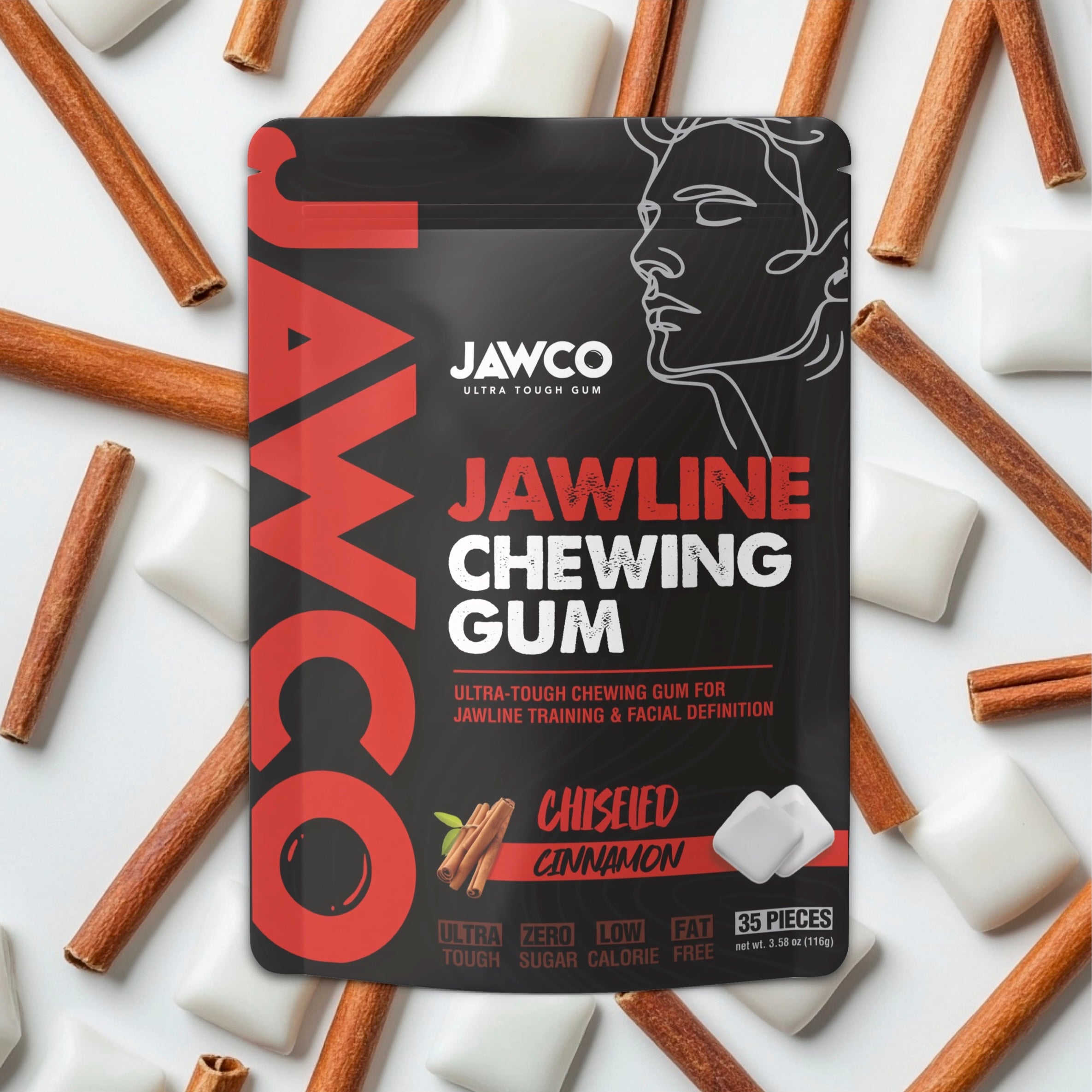
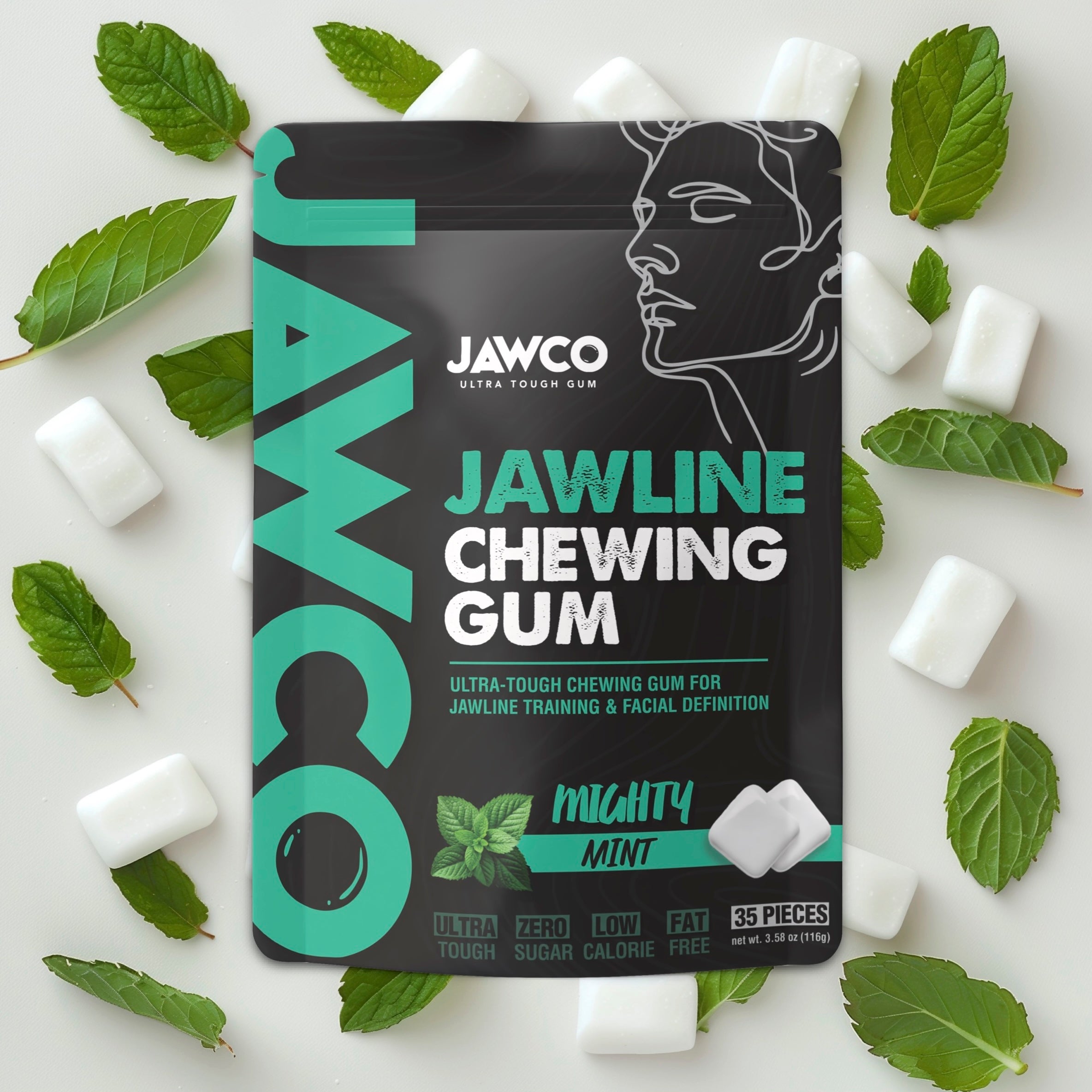
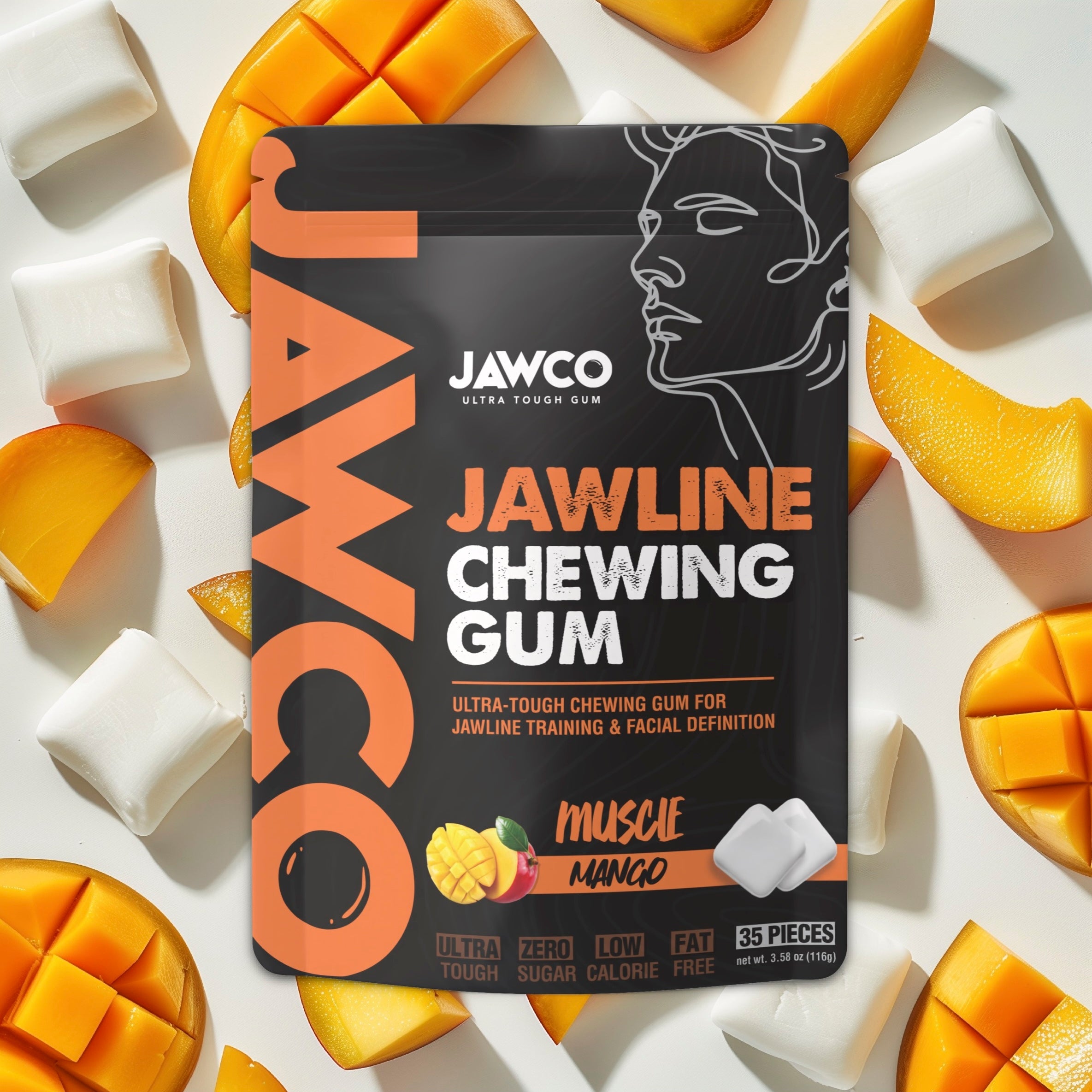
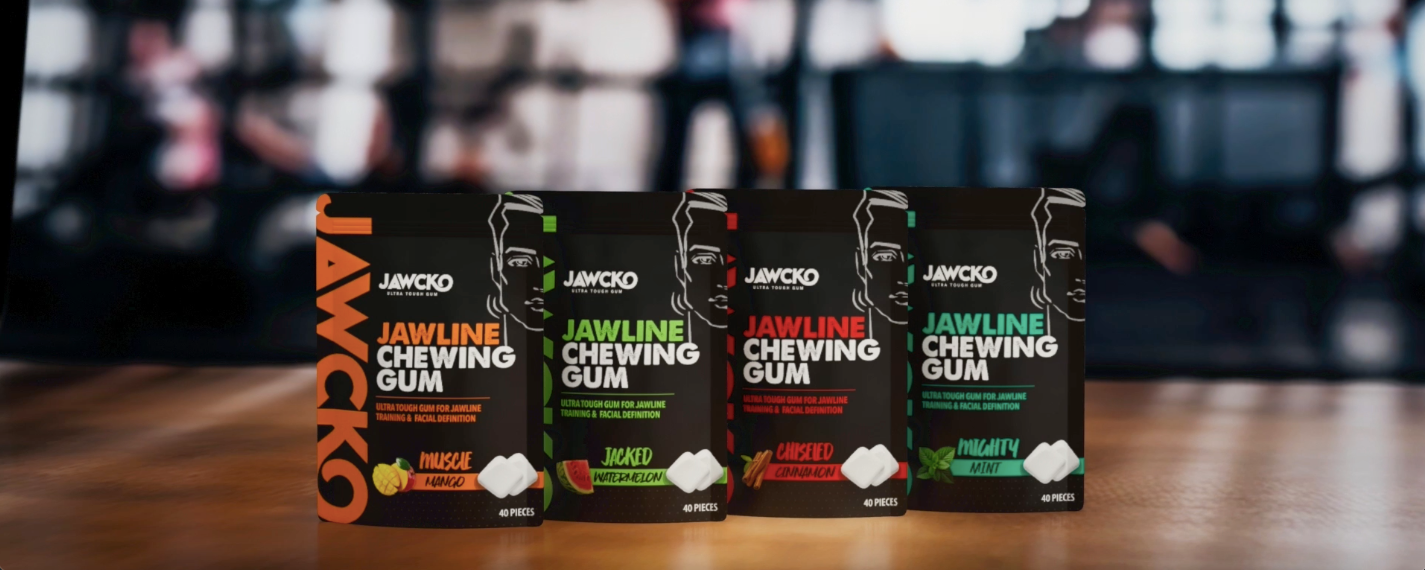
Pick yourself up a pack of our most popular Might Mint Jawline Gum and get started on your Jaw workout routine.
----------------------------------------
While individual results vary, a growing body of research demonstrates that increased chewing resistance can stimulate jaw muscle activity, improve bite force, and support the natural function of the masticatory system.
----------------------------------------
Scientific References
The following peer-reviewed studies support the physiological mechanisms behind resistance chewing, jaw muscle activation, and masticatory training discussed in this article.
-
Inoue, K., Ono, T., Kuroda, T., & Yagi, T. (2019). Mechanical loading activates osteocytes and promotes mandibular bone remodeling through mechanotransduction pathways. Scientific Reports.
-
Kiliaridis, S., Engström, C., & Thilander, B. (1995). The relationship between masticatory function and craniofacial morphology. Journal of Oral Rehabilitation.
-
Karamani, A., et al. (2022). Effects of hard diet mastication on mandibular morphology and bone development in experimental models. International Journal of Environmental Research and Public Health.
-
Shirai, Y., et al. (2018). Effects of gum-chewing exercise on maximum bite force and masticatory performance. Clinical and Experimental Dental Research.
-
Raadsheer, M. C., van Eijden, T. M. G. J., van Spronsen, P. H., & Prahl-Andersen, B. (1999). A comparison of human masseter muscle thickness measured by ultrasonography and magnetic resonance imaging. Journal of Dental Research.
-
Sakaue, K., et al. (2024). Effects of different gum hardness on masseter muscle activity and tissue oxygen dynamics during mastication. PubMed indexed study.
-
Kawai, N., et al. (2010). Functional adaptation of the masseter muscle to increased masticatory load. Journal of Anatomy.
-
Trawitzki, L. V. V., et al. (2006). Electromyographic evaluation of masticatory muscles under different chewing conditions. Journal of Oral Rehabilitation.
-
Frost, H. M. (1994). Wolff’s Law and bone structural adaptation to mechanical loading. Angle Orthodontist.
-
Hichijo, N., et al. (2014). Reduced occlusal loading decreases mandibular bone density and volume. PLOS ONE.
-
Kohyama, K., et al. (2005). Effects of food texture on chewing patterns and masticatory muscle activity. Journal of Texture Studies.
-
Kotantoula, C., et al. (2023). The role of masticatory muscle function in craniofacial development and mandibular growth. PMC indexed study.
-
Sakai, S., et al. (2020). Effects of repeated chewing exercise on occlusal force and masseter muscle thickness. Journal of Oral Rehabilitation.
-
Kashiwazaki, H., et al. (2023). Randomized controlled trial evaluating the effects of gum-chewing exercise on oral muscle performance. Journal of Clinical Medicine.
-
Liu, Y., et al. (2023). Long-term mechanical loading from mastication influences mandibular morphology and bone density. Biology (MDPI).